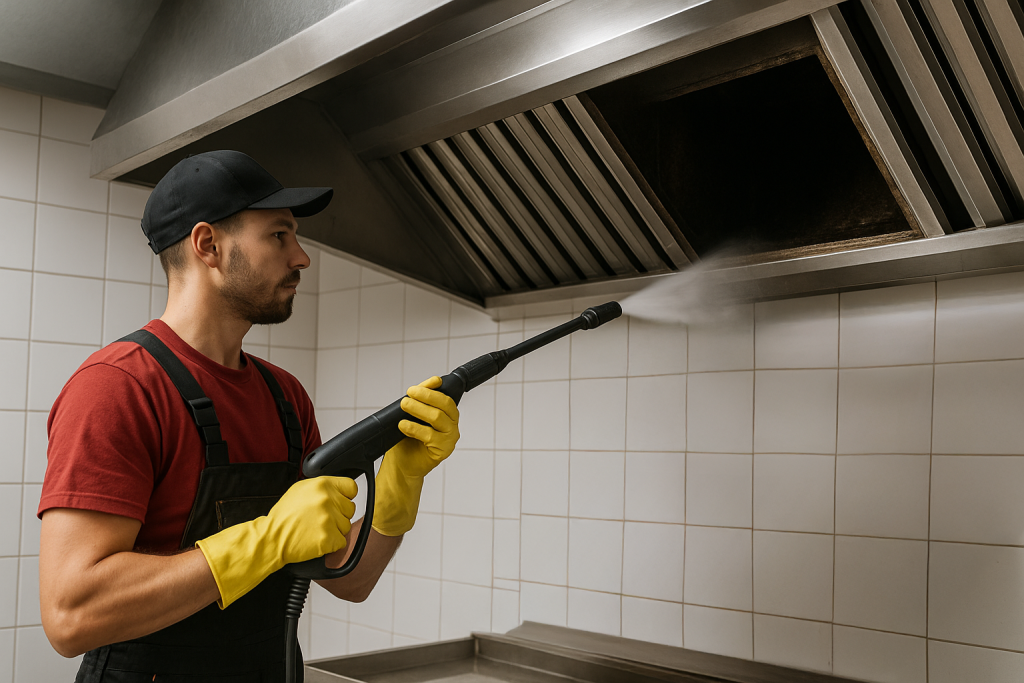
A clean kitchen is a safe kitchen, especially when it comes to restaurants or commercial cooking spaces. At Icon Fire Prevention, we know that quality hood cleaning is a must-have component of fire safety, compliance, and the long-term health of your business. Whether you run a bustling restaurant in Santa Monica, a hotel kitchen in Indio, or a school cafeteria in Glendale, understanding what goes into a thorough hood cleaning can help you protect your investment and your people.
Why Quality Hood Cleaning Matters
Grease-laden vapors are a normal and expected byproduct of commercial cooking. Over time, these vapors condense and accumulate inside your kitchen exhaust system—on hoods, filters, ducts, and fans. This buildup is highly flammable and is the leading cause of restaurant fires worldwide. According to the National Fire Protection Association (NFPA), all components of the exhaust system must be cleaned to remove combustible contaminants before surfaces become heavily contaminated with grease or oily sludge.
Quality hood cleaning is about more than just compliance—it’s about:
Reducing fire risk and protecting lives
Ensuring proper airflow for a healthier kitchen environment
Extending the life of your equipment
Avoiding costly fines and insurance issues
Industry Standards: What Does “Quality” Mean?
Two organizations set the gold standard for hood cleaning:
NFPA 96: The national standard for ventilation control and fire protection of commercial cooking operations. It details how and when cleaning should occur, who should do it, and what areas must be addressed.
NFPA 96 Key Requirements:
- Only trained, qualified, and certified professionals may clean commercial kitchen hoods and exhaust systems.
- All accessible surfaces, including hoods, grease removal devices, fans, ducts, and appurtenances, must be cleaned to bare metal at regular intervals.
The frequency of cleaning is based on cooking volume and type of operation:
Operation Type Cleaning Frequency
Solid fuel cooking Monthly
High-volume (24/7, charbroil) Quarterly
Moderate-volume Semi-annually
Low-volume (churches, camps) Annually
What Does a Quality Hood Cleaning Include?
A professional hood cleaning goes far beyond wiping down visible surfaces. Here’s what you should expect from a top-tier service:
Detailed Hood Cleaning Checklist
- Disassemble and Clean:
- Remove and degrease hoods, including filter tracts, grease troughs, and removable grease cups.
- Take out and clean all hood filters, replacing them if necessary.
- Remove roof or wall-mounted fans from ductwork to degrease the base, shroud, and blades.
- Ductwork:
- Clean all accessible parts of ductwork from each hood up to the exhaust fans.
- Inspect for blockages, damage, or excessive grease buildup.
- Fans and Accessories:
- Inspect exhaust fans for loose or worn belts and other maintenance issues.
- Clean and degrease all fan components.
- Finishing Touches:
- Apply food-safe polish to stainless steel ductwork.
- Thoroughly clean all affected areas, including mopping and debris removal.
- Documentation:
- Provide a complete, detailed written report of all work performed, deficiencies found, and recommendations for repairs or upgrades.
- Attach a certificate of cleaning to each hood, detailing the company name, technician, and date of service.
Signs of a Quality Hood Cleaning Company
Choosing the right provider is just as important as the cleaning itself. Here’s how to spot a company committed to quality:
- Certification: Technicians should be certified by IKECA or another recognized authority and trained in NFPA 96 standards.
- Experience: Look for a provider with a strong track record in your type of kitchen, whether it’s a high-volume restaurant or a school cafeteria.
- Transparency: The company should offer before-and-after photos, detailed reports, and clear explanations of their process.
- Insurance and Compliance: Full insurance and bonding protect your business from liability.
- References: Ask for testimonials or references from similar businesses in your area.
The Benefits of Quality Hood Cleaning
Investing in quality hood cleaning brings a host of benefits:
- Fire Prevention: Removes the main source of kitchen fires—grease buildup—before it becomes a hazard.
- Healthier Environment: Improves air quality and reduces odors, creating a better workspace for staff and a more pleasant dining experience for customers.
- Equipment Longevity: Regular cleaning reduces wear and tear, lowers maintenance costs, and extends the life of your exhaust system.
- Regulatory Compliance: Keeps you in line with local fire codes and health department regulations, avoiding fines and business interruptions.
- Insurance Protection: Proper documentation from certified professionals can be crucial in the event of a fire or inspection.
What Happens If You Skip Hood Cleaning?
The risks of neglecting your exhaust system are serious:
- Fire Hazards: Grease buildup is the leading cause of restaurant fires, which can result in injury, death, or total property loss.
- Fines and Closures: Noncompliance with NFPA 96 can lead to substantial fines or even business closure.
- Insurance Issues: Insurance companies may deny claims if you can’t prove regular, certified hood cleaning.
- Operational Downtime: Dirty or damaged systems can force you to shut down for emergency cleaning or repairs.
How to Prepare for a Professional Hood Cleaning
Preparing for a professional hood cleaning is a straightforward process that helps ensure your kitchen and equipment stay protected while the cleaning team works.
To get the most out of your service, follow these steps:
- Schedule During Off-Hours: Plan cleaning during downtime to minimize disruption.
- Clear the Area: Remove or cover food, utensils, and sensitive equipment.
- Communicate Needs: Let your provider know about any problem areas or recent issues.
- Review the Report: After cleaning, review the technician’s report and address any recommendations promptly.
Quality Hood Cleaning FAQs
Q: How often should I schedule hood cleaning?
A: Follow the NFPA 96 schedule based on your cooking volume, but always consult your provider for recommendations tailored to your kitchen.
Q: Can my staff handle hood cleaning?
A: Day-to-day surface cleaning can be done by staff, but NFPA 96 requires that the full exhaust system be cleaned by trained, certified professionals.
Q: What documentation should I receive?
A: You should get a detailed report, a certificate of cleaning, and before-and-after photos for your records and inspections.
Trust Icon Fire Prevention for Quality Hood Cleaning
At Icon Fire Prevention, we’re dedicated to delivering the highest standard of hood cleaning for commercial kitchens across Los Angeles and Southern California. Our certified technicians follow NFPA 96 and IKECA best practices, ensuring your kitchen is clean, safe, and fully compliant. We provide transparent documentation, before-and-after photos, and expert recommendations to keep your business running smoothly.
For questions about our process or to schedule your next cleaning, contact Icon Fire Prevention today—because quality hood cleaning is the foundation of a safe and successful kitchen.